
What a substitution cipher is—and when it still helps
A substitution cipher swaps each letter for another according to a fixed key. It is easy to demo in class, handy for puzzles, and a clear way to see how classical encryption turns readable text into ciphertext.

One fixed mapping for the whole message
In a substitution cipher, you build a key that pairs every character in your plain alphabet with a character in a cipher alphabet. Once that pairing is set, every matching letter in the message follows the same rule. If plain a maps to q, every a becomes q until you change the key. That consistency is what makes the method easy to teach and easy to check by eye.
This is different from a Caesar shift, where the whole alphabet slides by a single offset. A substitution key can be any permutation: reverse order, a shuffled alphabet, or a custom set that includes digits and symbols. Teachers use it to introduce cryptanalysis. Puzzle writers use it for escape rooms and contest clues. Developers use it to prototype reversible text transforms without writing a script from scratch.
Learn the mapping, not just the output
The live correspondence table shows each plain character beside its cipher twin, so you can verify the key before you share a result.
Build keys without guesswork
Shuffle, reverse, or match the plain alphabet, then edit freely. Length and duplicate checks catch broken keys early.
Share a puzzle, not only a string
Send ciphertext alone, ciphertext with the table, or a full tool state so a friend can decrypt in the browser.
How a simple substitution cipher works in practice
Encode and decode with a visible key, custom alphabets, and share links built for puzzles—not for hiding real secrets.
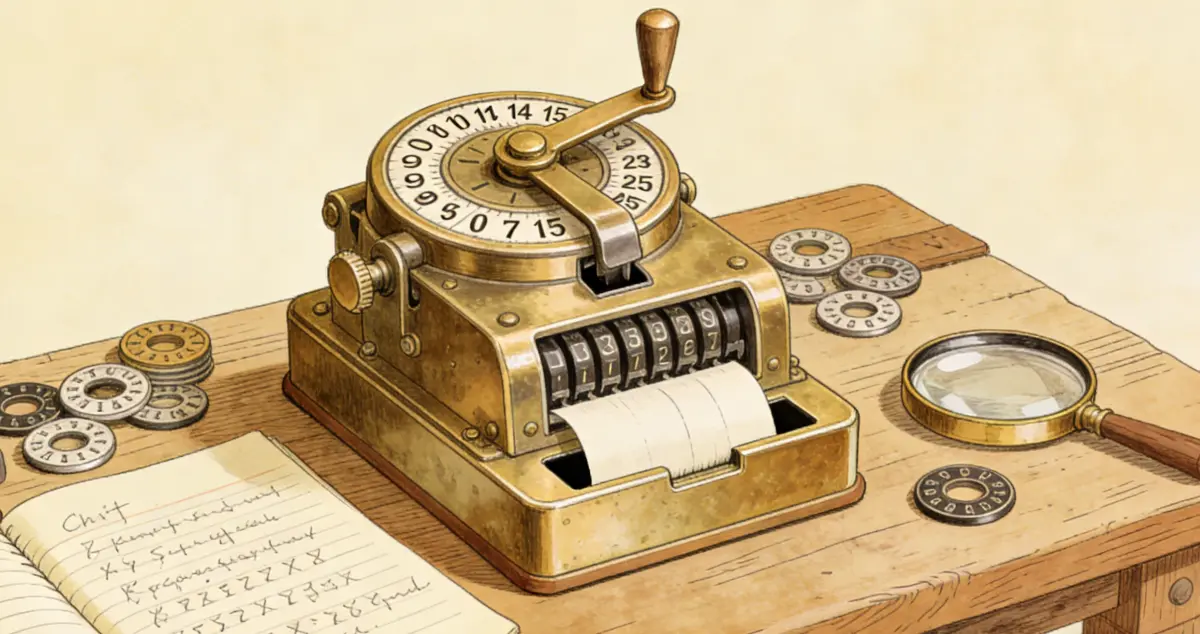
Live plaintext ↔ ciphertext table
Most online tools only spit out a string. Here the correspondence table updates as you edit the plain alphabet or substitution key, so you can see why each letter changed. That makes mistakes obvious—wrong alphabet length, accidental duplicates, or a case setting you did not mean—and it is the fastest way to explain the cipher to someone new.
- Correspondence table updates with every key change
- Share ciphertext, table, or full state as a link
- Presets plus custom alphabets for mixed character sets
- Encode and decode entirely in your browser
Share puzzles your friends can crack
Design a message, pick a key, then share a link: ciphertext only if you want them to struggle, ciphertext plus the mapping table if you want a fairer challenge, or the full state if you are walking through the process together. Processing stays in the browser; nothing is uploaded to decode the link.
Custom alphabets beyond a–z
Start from English or another preset, then stretch the alphabet for accented letters, digits, or symbols when a puzzle needs them. Encode and decode use the same length-matched alphabets, with options for case handling and whether to keep characters outside the alphabet.
Built for lessons and game design
Use it for classroom demos, CTF-style warmups, and narrative puzzles where a readable mapping table matters as much as the final ciphertext.
Decrypt a substitution cipher in three steps
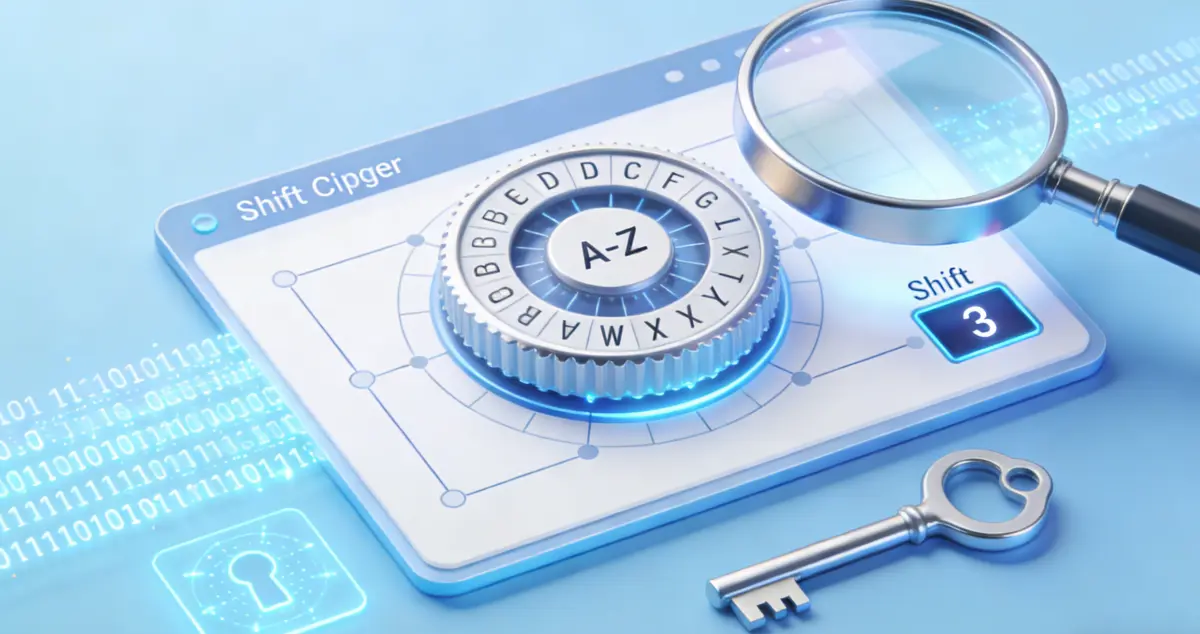
Set the plain alphabet and key
Choose a preset or paste your own plain alphabet. Build the substitution key with shuffle, reverse, or match-plain, then tweak individual characters until the table looks right.
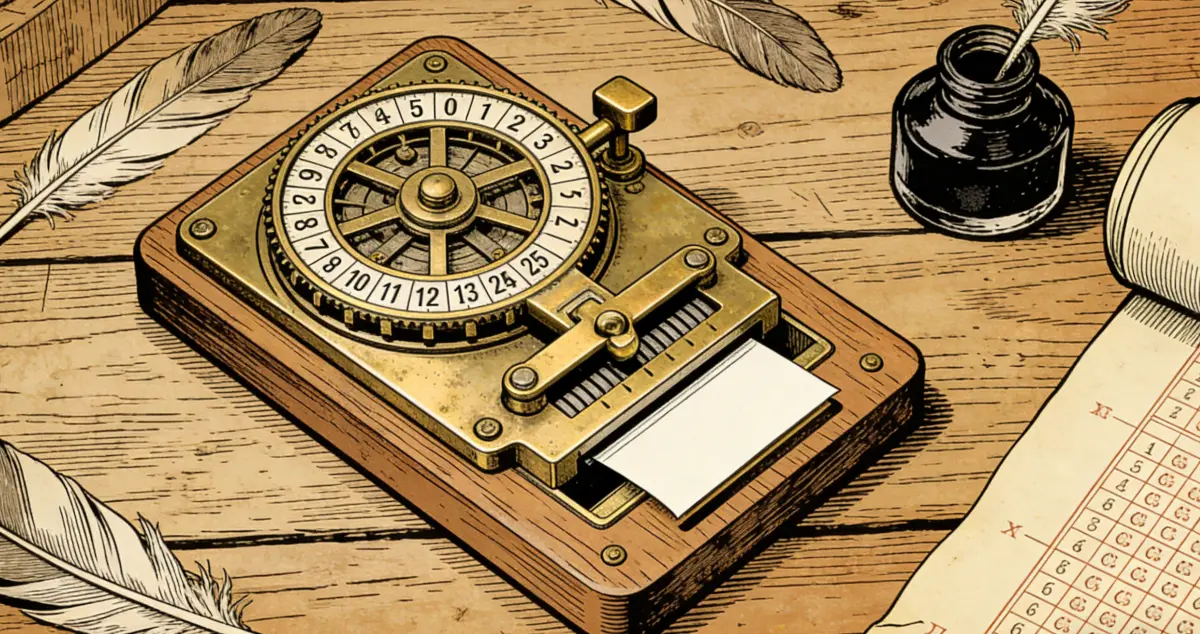
Encode or decode your text
Paste the message, pick Encode or Decode, and adjust case and “other characters” if punctuation or spaces should stay put. The output updates as you type.
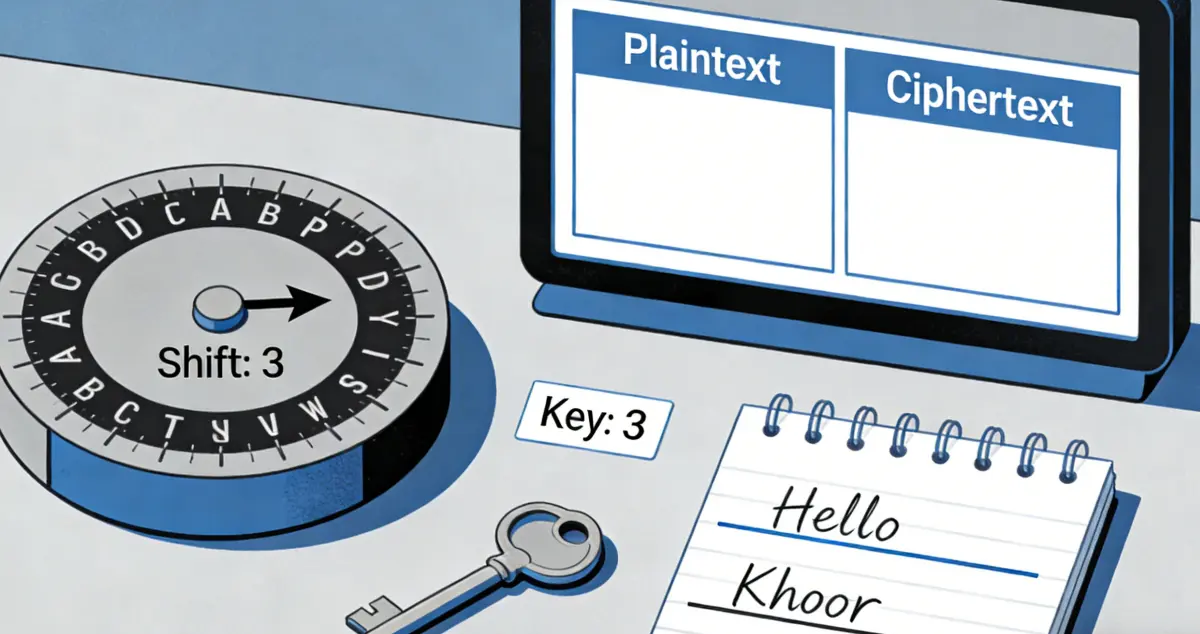
Copy the result or share a challenge
Copy ciphertext for yourself, or generate a share link so someone else can attempt the decrypt in their browser with the clue level you choose.
When a replacement cipher is the right tool
People reach for substitution when they need a clear letter swap—not military-grade secrecy.
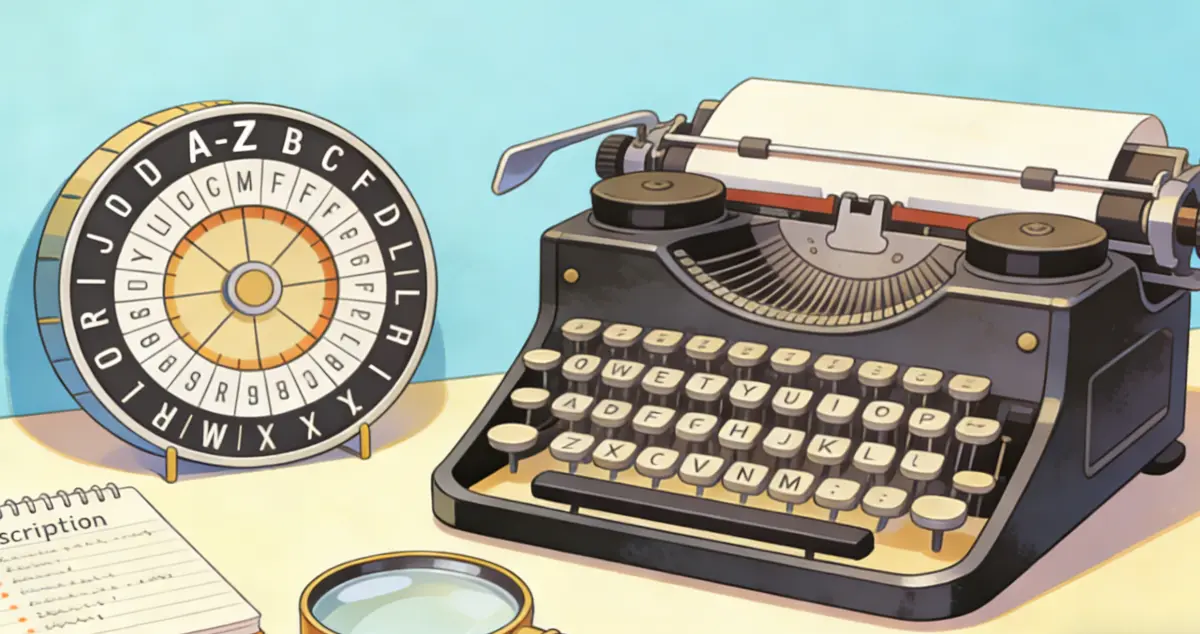
I give students a short ciphertext and let them invent keys in the tool. The mapping table stops the usual “why did my letter turn into that?” confusion before it starts.
Sarah M.
High school CS teacher
"For an escape-room prop I needed a custom alphabet with digits mixed in. Building the key visually was faster than explaining a spreadsheet to the rest of the team."
James K.
Escape room designer / Puzzle builds
"I send friends share links with ciphertext only. Watching them recover the message from the table mode later is half the fun."
Elena R.
Puzzle club organizer / Weekend challenges
"I prototype reversible dialogue tags with odd symbol sets. Having encode and decode in one place beats spinning up a throwaway script."
David L.
Indie game developer / Prototyping
Monoalphabetic substitution cipher FAQ
Try the substitution cipher tool
Map letters with a live table, encode or decode in your browser, and share a puzzle link when you want someone else to break it.
Substitution cipher encoder & decoder
- Live plaintext ↔ ciphertext correspondence table
- Shuffle, reverse, and custom alphabet helpers
- Share links for friends to decrypt your message
- Runs locally in the browser—nothing to install
All encoding and decoding stay on your device.
Built to show the mapping, not hide it
If you only needed a black-box converter, almost any script would do. This page is for people who want to see the key, explain it, and pass a challenge along—classroom demos, party puzzles, and quick experiments included.